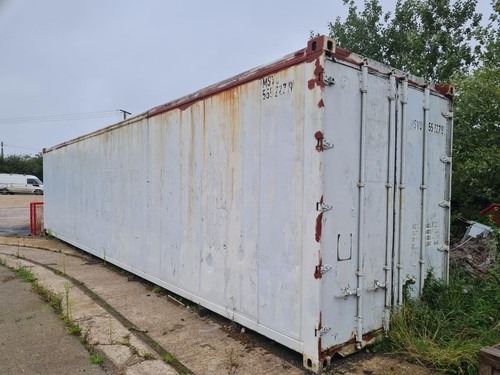
Understanding the Size of a 20ft Container: A Comprehensive Guide
When it concerns shipping and logistics, among the most commonly used containers is the 20-foot container. Its extensive use in global shipping and transport makes it important for organizations and people alike to understand its dimensions and storage capacity. This post will explore the size of a 20-foot container, its specifications, and its applications in shipping, storage, and transportation.
Requirements of a 20ft Container
A basic 20-ft container, also understood as a Twenty-foot Equivalent Unit (TEU), generally has the following dimensions:
| Dimension | Measurement (in feet) | Measurement (in meters) |
|---|---|---|
| External Length | 20 ft | 6.06 m |
| External Width | 8 ft | 2.44 m |
| External Height | 8.5 ft | 2.59 m |
| Internal Length | 19.4 ft | 5.89 m |
| Internal Width | 7.7 ft | 2.35 m |
| Internal Height | 7.9 ft | 2.39 m |
| Optimum Payload | ~ 52,910 lbs | ~ 24,000 kg |
| Tare Weight | ~ 4,200 pounds | ~ 1,900 kg |
Internal Volume
The internal volume of a basic 20-ft container is approximately 1,172 cubic feet or 33.2 cubic meters. This volume is essential for determining how much cargo can be effectively packed and carried.
Capability
In terms of capability, a 20-ft container can normally hold:
- Standard Pallets: About 10-11 basic pallets (48" x 40").
- Cubic Feet: Roughly 1,172 cubic feet (33.2 cubic meters).
- Weight Limit: Generally near to 52,910 lbs (24,000 kg), depending on cargo type and container specifications.
This makes the 20ft container a favorite choice amongst organizations for numerous applications consisting of carrying products, temporary storage sites, and even as makeshift workplaces or living spaces.
Applications of 20ft Containers
The versatility of the 20ft container enables different applications across various markets:
Shipping and Logistics:
- Used primarily for transporting goods by means of sea, rail, or road.
- Ideal for global shipping due to its standard size.
Storage Solutions:
- Frequently used as on-site storage at building and construction sites.
- Can act as a short-lived or irreversible storage service for services.
Modular Construction:
- Containers are significantly being repurposed for low-cost real estate or pop-up stores.
- Custom modifications can convert them into modern home.
Event Hosting:
- Containers can be converted into bars, offices, or exhibit spaces for events.
Disaster Relief:
- Used for carrying products and shelter products throughout emergencies.
Benefits of Using 20ft Containers
Utilizing 20ft containers comes with a wealth of advantages:
Cost-Effectiveness:
- Affordable shipping fees, specifically for bulk deliveries.
Resilience:
- Constructed from steel, making them resistant to weather and physical damage.
Security:
- Lockable and tough, providing a safe environment for important products.
Ease of Transport:
- Easily packed onto ships, trucks, and trains, assisting in multi-modal transportation.
Flexibility:
- Can be utilized for diverse applications, from storage to living areas.
Disadvantages of 20ft Containers
While they offer many benefits, there are some downsides to consider:
Limited Volume for Larger Items:
- The 20ft container can be insufficient for larger items or bulk shipments, necessitating making use of bigger containers.
Adjustments Required:
- For specialized storage or living needs, adjustments can include time and expenses.
Weight Limitations:
- The optimum payload limitations must be monitored to avoid surpassing the structural integrity of the container.
Frequently Asked Questions (FAQ)
1. What is the difference between a standard 20ft container and a high cube container?
A standard 20ft container has an external height of 8.5 feet, whereas a high cube container is 9.5 feet tall. The additional height in high cube containers enables more interior vertical area, making it ideal for freight that is taller than standard containers.
2. The number of 20ft containers fit on a freight ship?
The number of 20ft containers that can fit on a freight ship differs depending upon the vessel's size and design. Typically, a Panamax freight vessel can accommodate around 4,000 TEUs, which might consist of various 20ft and 40ft containers.
3. Can I acquire a used 20ft container?
Yes, lots of vendors sell used shipping containers at lower rates. Buyers should examine containers for structural integrity and indications of wear that might affect functionality.
4. What are the typical uses of 20ft containers in homes?
20ft containers can be transformed into modern homes, guesthouses, or office through insulation, pipes, and electrical adjustments.
5. Are there COG Containers LTD for utilizing shipping containers as storage?
Different regions have specific guidelines for utilizing shipping containers as storage. Regional zoning laws and structure codes ought to be sought advice from before positioning.
The 20ft container works as an unfaltering pillar in the realm of shipping and logistics, supplying a reliable and versatile solution for different requirements-- from worldwide cargo transportation to innovative architectural applications. Understanding the size and specs of a 20ft container can assist organizations and individuals make notified decisions about their shipping and storage requirements. By leveraging the benefits of 20ft containers, one can improve operations and check out new chances in a constantly progressing marketplace.